
How Does Massage Actually Help Pain?
If you've ever walked out of a massage feeling better, you might have wondered...
What actually just happened?
Are my muscles not ‘tight’ anymore?
Did the therapist break up that knot I had in my back?
Did something "release"?
The honest answer is... We’re still not 100% sure.
Over the last couple of decades, our understanding of pain has changed quite a bit. One thing that's become increasingly clear is that pain isn't just about muscles, joints or tissues.
It's an experience created by our nervous systems, meaning massage may be helping in ways that go beyond simply pressing on tight muscles.
Your body is constantly gathering information
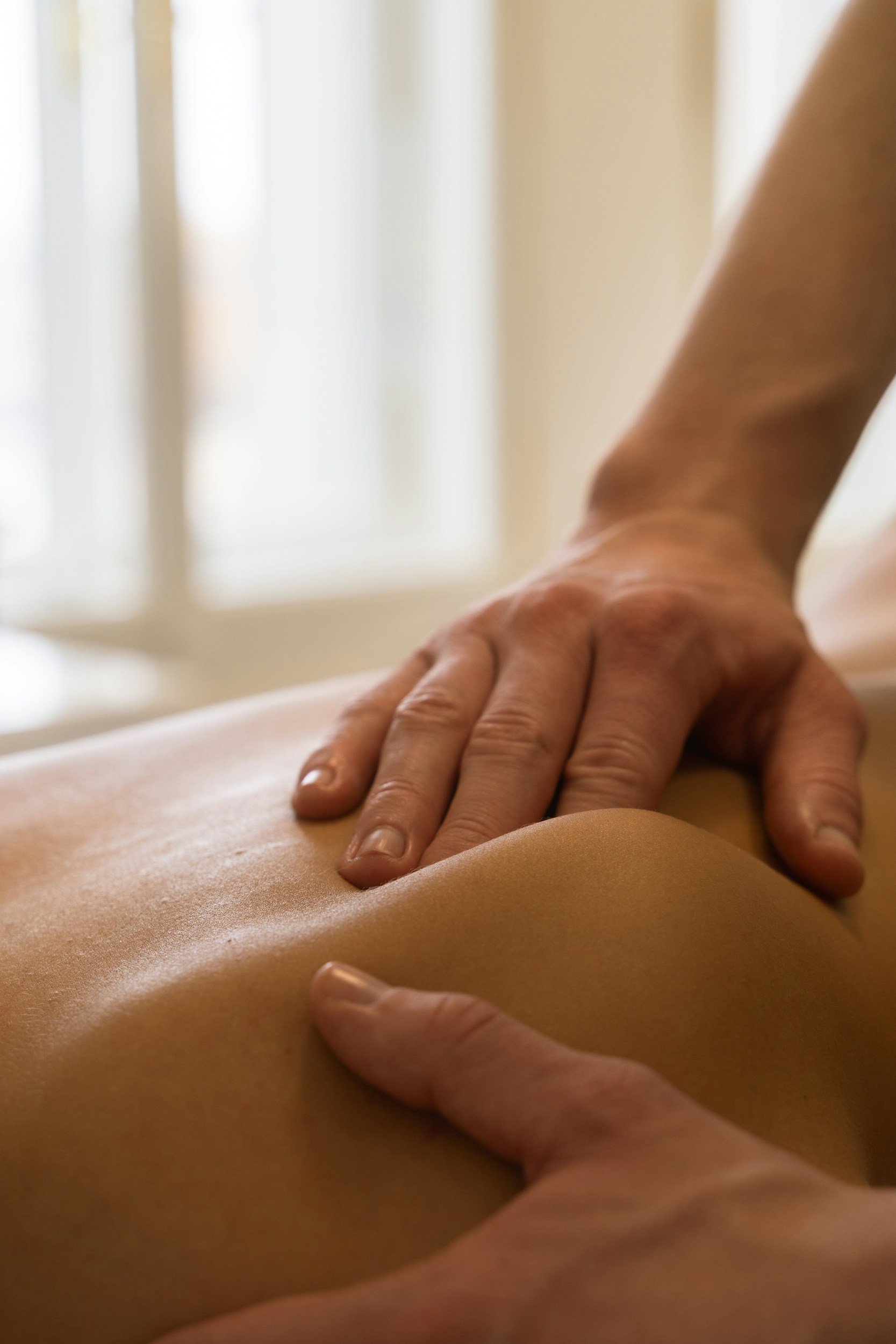
Think of your nervous system as your body's security system.
It's always taking in information and asking questions.
Am I safe?
Does this movement feel threatening?
I have had an injury here before, do I need to protect it?
If the answer is "maybe", your body may respond by increasing muscle tension, making movement feel uncomfortable, or simply drawing your attention to that area. This is sometimes referred to as muscle guarding: your body's way of subconsciously trying to protect itself from a perceived threat. I've written a more in-depth article on muscle guarding if you'd like to dive a little deeper into how it works.
However lets’s be clear: your body isn’t broken.
More often than not, it's because your nervous system is trying to protect you.
Massage changes the information your body receives
One of the leading theories is that massage gives your nervous system a lot of new information to process.
Pressure.
Touch.
Warmth.
Rather than "fixing" a muscle, massage may just help your nervous system realise that it doesn't need to be so protective.
For many people, that means they move a little easier, feel a little more comfortable, and pain is reduced post-massage.
Pain is influenced by more than an injury
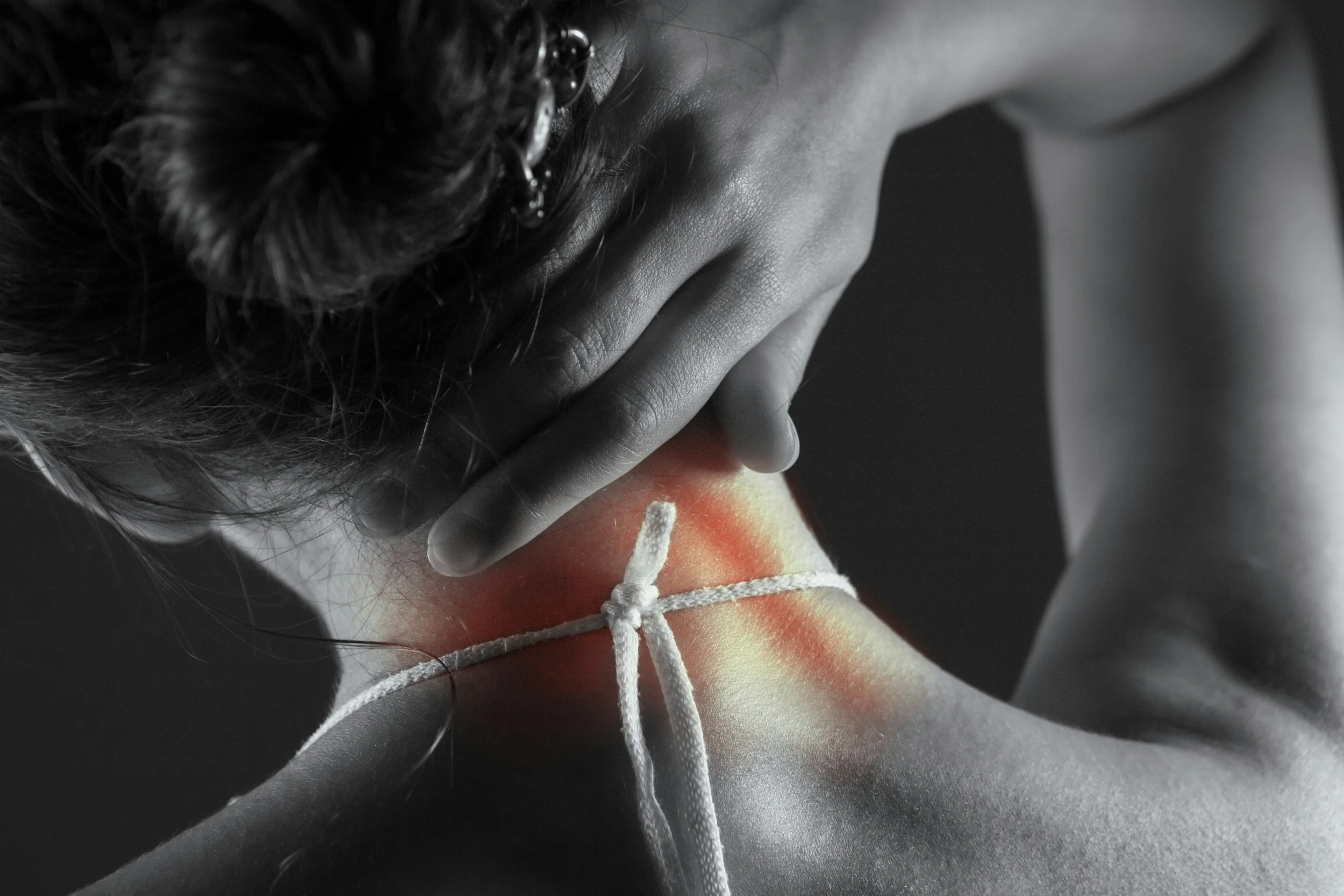
Pain isn't always proportional to tissue or joint damage.
Things like:
poor sleep
stress
previous injuries
anxiety
can all influence how our brain interprets how we move and feel.
That's one reason why two people with similar injuries can have completely different experiences or pain levels.
So what is massage actually doing?
Research suggests massage may help by:
Reducing the body's protective or ‘guarding’ response
Movement feels less threatening
Temporarily reducing pain sensitivity
Encouraging relaxation
Improving confidence in our daily movement
Notice what's not on that list.
Breaking scar tissue.
Releasing toxins.
Permanently changing muscles.
Massage doesn't need to do any of those things to be valuable.
This is why I created the Recovery Hierarchy
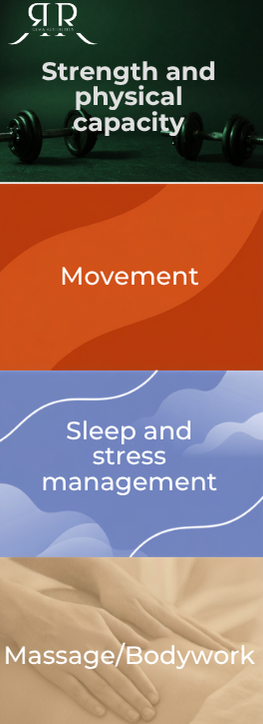
One of the reasons I put together the Recovery Hierarchy was because massage doesn't exist in isolation.
It works alongside everything else that influences the nervous system such as:
Adequate sleep.
Regular movement.
Managing stress.
Building strength and capacity.
Looking after your mental health.
Recovery is rarely about finding one magic treatment.
It's usually about giving your body a consistent amount of positive inputs, giving it time to relax and not stay in a state of high alert for long periods of time.
If you are interested in reading more about the recovery hierarchy, read the article here.
The takeaway
One of the biggest things I've learnt over the years is that we don't need to oversell massage.
It doesn't have to "release" muscles or "break up" adhesions or tissue to make a meaningful difference.
Helping someone move more confidently.
Helping them feel less guarded.
Helping them slow down for an hour.
Those are valuable outcomes.
And when massage is combined with good movement, quality sleep, sensible exercise and managing stress, it becomes one part of a much bigger recovery strategy.
References
Bialosky, J. E., Bishop, M. D., Price, D. D., Robinson, M. E., & George, S. Z. (2009). The mechanisms of manual therapy in the treatment of musculoskeletal pain: A comprehensive model. Manual Therapy, 14(5), 531–538 .